
How Independent Field Reporting Keeps Lenders Connected to Projects Across the Country.
Construction funding is built around progress. As work is completed, funds are released to keep the project moving. But whether the money comes from a bank, credit union, private lender, investor, developer, or property owner, one question remains the same:
How do you know the work being funded reflects what is actually happening at the project?
That is where an independent draw inspection becomes valuable.
Connecting the Draw Request to the Field
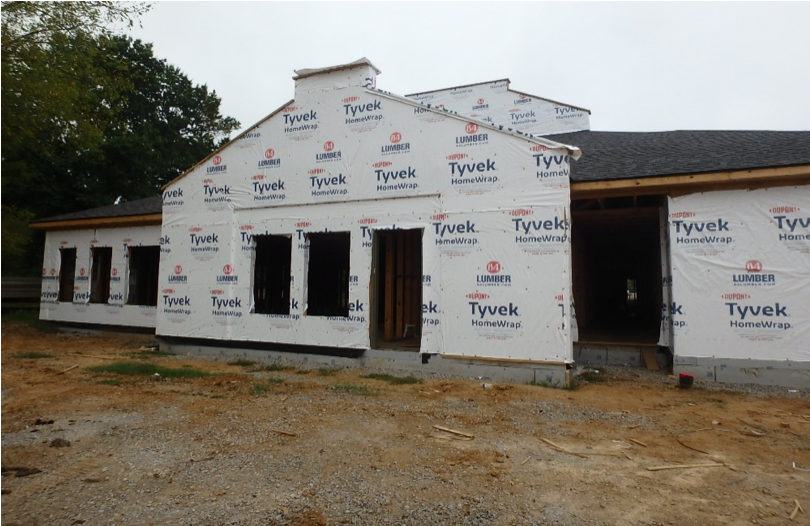
A draw request represents what is being requested for payment. A draw inspection provides an independent, visual assessment of the work observed at the project at a specific point in time.
The inspector’s role is not to make the lender’s funding decision. Instead, the inspector documents observable construction progress so the party responsible for releasing funds has additional information to evaluate the request.
Depending on the scope of the inspection, reporting may include photographs, estimated percentages of completion, materials on site, current construction activity, and other relevant field observations.
Who Uses Draw Inspections?
Construction draw inspections are commonly associated with traditional construction lenders, but the need for independent progress information extends beyond banks.
Credit unions, private lenders, investors, developers, property owners, and other organizations funding construction may also need a reliable way to understand project progress without being physically present at every jobsite.
Independent field reporting provides a connection between the funding party and the project.
What a Draw Inspection Does—and Doesn’t Do
This distinction matters.
A draw inspection provides information. It does not replace the lender’s underwriting, construction management, accounting procedures, contractual requirements, or funding decisions.
An inspector documents what can reasonably be observed at the project at the time of the inspection.
The funding party then evaluates that information alongside the draw request and its own requirements.
That separation helps preserve the independence of the inspection process.
Consistency Matters Across Multiple Projects
Managing one construction project can involve numerous draws throughout the life of the loan.
Managing an entire portfolio can involve projects in different cities, states, construction phases, and market conditions.
Consistent inspection reporting gives funding organizations a standardized way to review field information across projects, regardless of where those projects are located.
Rather than changing expectations every time a project crosses into another market, lenders can establish a consistent inspection process for their portfolio.
Local Projects. Nationwide Portfolios.
A lender headquartered in one state may finance projects throughout the country. A private lender may expand into a new market. An investor may fund a project somewhere they rarely—or never—visit personally.
The physical distance between the person funding the project and the construction site makes reliable field information increasingly valuable.
That’s why nationwide inspection coverage isn’t simply about having someone available in another state.
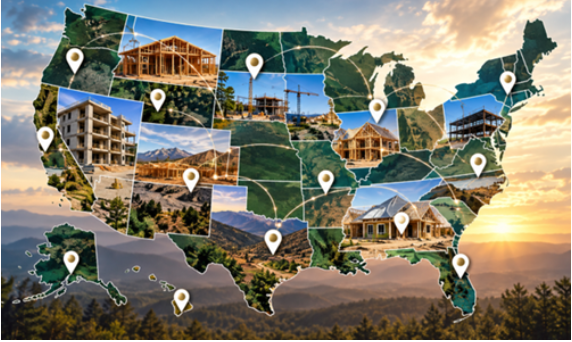
It’s about providing consistent communication, reporting, and field documentation wherever the project is located.
Visibility at Every Draw
A draw inspection cannot eliminate every risk associated with construction.
What it can do is provide another layer of visibility.
When funding decisions are supported by timely, objective information from the field, lenders and other funding parties have a clearer picture of project progress at the time each draw is reviewed.
And ultimately, that is the purpose of the draw inspection:
See the project. Document the progress. Give the funding party reliable information to make its own decision.
Inspection Perfection, Inc.
Since 1989, Inspection Perfection has provided professional construction inspection services with an emphasis on accurate reporting, timely results, and clear communication.
Today, our nationwide draw inspection services help connect funding organizations with the projects behind their construction loans—wherever those projects may be.